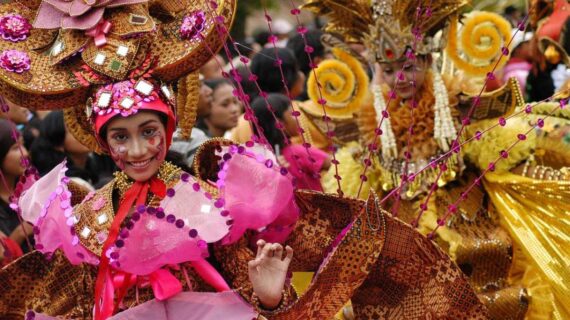
Indonesia, a nation of over 1,300 ethnic groups, is a tapestry of diverse cultures and traditions. Each community has its own unique heritage, often celebrated through vibrant festivals that not only preserve their identity but also attract both local and international tourists. These festivals serve as a bridge between generations, fostering a deeper understanding of the values and customs that define these communities.
The Significance of Cultural Festivals in Indonesia
Cultural festivals in Indonesia are more than just events; they are a celebration of life, history, and spirituality. They play a crucial role in maintaining the cultural fabric of the country by passing down traditions from one generation to the next. For many communities, these festivals are a way to honor their ancestors, express their beliefs, and showcase their artistry. Additionally, they contribute significantly to the local economy by drawing in visitors who seek authentic experiences and support local artisans.
Top 10 Must-Visit Cultural Festivals in Indonesia

1. Ogoh-Ogoh, Bali
Held before Nyepi, the Hindu day of silence in Bali, the Ogoh-Ogoh festival is a spectacle of giant, fearsome masks and statues. These representations symbolize negative energies and evil forces, serving as a reminder to the community to maintain harmony and positivity. The festival is a vibrant display of Balinese culture and attracts both locals and tourists alike.
2. Lembah Baliem Cultural Festival, Papua
Taking place annually in August in the Jayawijaya Regency of Papua, the Lembah Baliem Cultural Festival is a celebration of the unique traditions of the indigenous tribes of the Baliem Valley. This event is not just a festival but also a platform for inter-tribal competitions, showcasing traditional dances, crafts, and rituals. It offers a rare glimpse into the rich cultural heritage of Papua.
3. Dieng Cultural Festival, Central Java
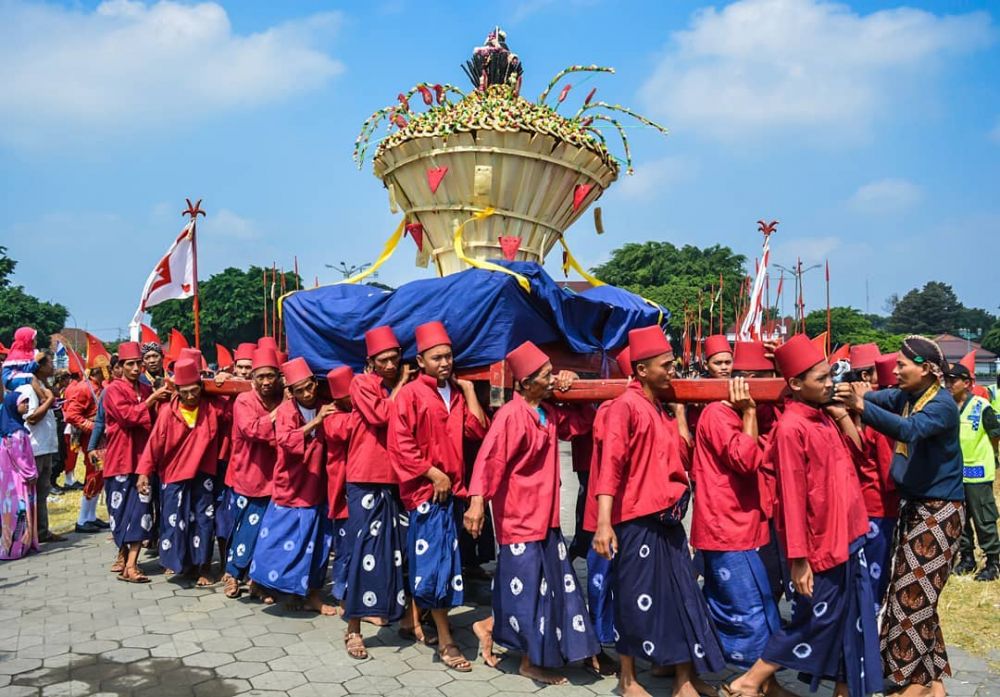
Located in the Dieng Plateau, this three-day festival brings together visitors and locals to experience the spiritual and cultural significance of the area. Activities include music performances, lantern lighting ceremonies, and various cultural exhibitions. The festival highlights the deep connection between the people and the land, emphasizing the importance of preserving natural and cultural heritage.
4. Sekaten, Yogyakarta
Sekaten is a unique blend of religious and cultural elements, celebrating the birth of Prophet Muhammad. Held from the 5th to the 11th of Rabiulawal, the festival features processions, traditional music, and communal feasts. It reflects the strong Islamic influence in Javanese culture and serves as a time for reflection and community bonding.
5. Bau Nyale, West Nusa Tenggara
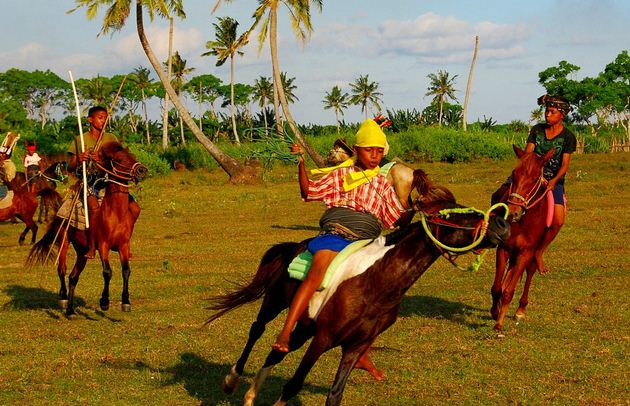
This festival, held in February or March, involves the gathering of nyale, a type of sea worm that appears during these months. Locals believe that consuming nyale can enhance male stamina and improve women’s beauty. The festival is a celebration of nature’s bounty and the deep connection between the community and the ocean.
6. Pasola, East Nusa Tenggara
Similar to Bau Nyale, Pasola is a traditional event in Sumbawa, East Nusa Tenggara. It involves horseback riders throwing wooden spears at each other, believed to be a ritual to appease ancestral spirits. The festival is a thrilling display of bravery and cultural heritage, attracting both local and foreign spectators.
7. Jember Fashion Carnival (JFC), East Java
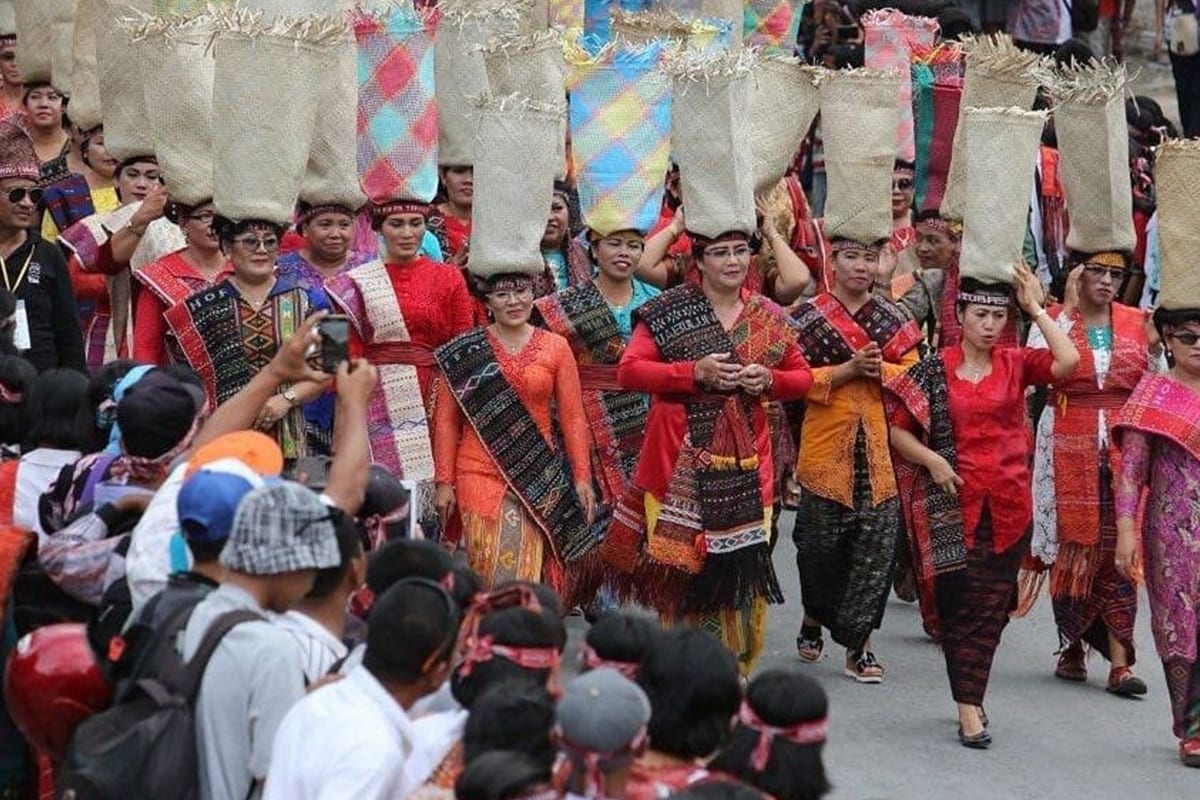
Inspired by the Rio de Janeiro carnival, the Jember Fashion Carnival is a vibrant celebration of fashion and creativity. Held every August, the event features elaborate costumes and parades along a 4 km runway. It showcases the artistic talents of Indonesian designers and provides an unforgettable experience for attendees.
8. Lake Toba Festival, North Sumatra
Originating as a local celebration, the Lake Toba Festival has grown into an international event. It highlights the beauty of Lake Toba, one of the world’s largest volcanic lakes, while promoting the cultural values of the local Batak community. Visitors can enjoy traditional performances, water sports, and cultural exhibitions.
9. Bidar Boat Festival, South Sumatra
Celebrated on Indonesia’s Independence Day, the Bidar Boat Festival showcases the iconic bidar boats of Palembang. These large boats are decorated elaborately and raced in a friendly competition. The festival celebrates the maritime heritage of South Sumatra and the importance of waterways in the region’s history.
10. Tabuik Festival, West Sumatra
Held on the 10th of Muharam, the Tabuik Festival in Padang is a significant event in the Islamic calendar. It includes a bazaar, cultural performances, and traditional art competitions. The festival is a tribute to the historical and spiritual legacy of the Minangkabau people.
Conclusion
Indonesia’s cultural festivals offer a unique opportunity to experience the diversity and richness of the nation’s heritage. From the towering ogoh-ogoh in Bali to the colorful jembatan in Jember, each festival tells a story of tradition, resilience, and community. As these events continue to gain popularity, they not only preserve the cultural identity of the regions but also promote tourism and economic growth. Visiting these festivals is not just a journey through time but a celebration of the enduring spirit of Indonesia.