Indonesia, a vast archipelago with over 17,000 islands, is home to more than 300 ethnic groups and an incredible diversity of cultures. This rich tapestry of traditions is vividly reflected in the country’s festivals and celebrations, which are deeply rooted in history, religion, and local customs. These events not only showcase Indonesia’s cultural heritage but also serve as a means of preserving ancestral wisdom and fostering community unity. From vibrant religious ceremonies to indigenous rituals, each festival offers a unique glimpse into the heart of Indonesian life.
The Significance of Festivals in Indonesian Culture
Festivals in Indonesia are more than just occasions for celebration; they are integral to the social and spiritual fabric of the nation. They often mark important agricultural cycles, religious observances, or historical events. For instance, the Seren Taun festival in West Java is a traditional rice harvest celebration that honors the blessings of the land and seeks protection from pests. Similarly, the Hudoq dance performed by the Dayak people of Kalimantan is a ritual to appease the deity Hudoq, believed to bring prosperity and protect crops.
These festivals also play a crucial role in reinforcing community bonds. Events like Selametan, a communal feast practiced by Javanese, Sundanese, and Madurese communities, are held during significant life events such as births, marriages, and religious milestones. During these gatherings, families come together to offer food, prayers, and blessings, symbolizing unity and mutual support.
Must-Experience Festivals in Indonesia
1. Nyepi (Balinese Day of Silence)
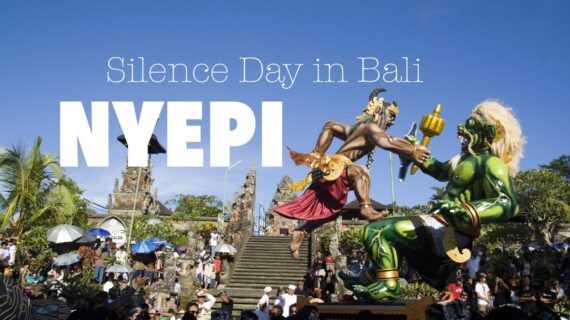
Nyepi, the Balinese New Year, is a unique and solemn festival observed only on the island of Bali. It begins with the Ngerupuk parade, where giant Ogoh-Ogoh statues—representing demons—are paraded through the streets to drive away negative spirits. The following day, known as Catur Wara, is a day of complete silence and self-reflection. No lights, no travel, and no fires are allowed. Locals fast and meditate, and even tourists must abide by these customs. This rare and peaceful experience offers a profound insight into Balinese spirituality and the importance of harmony with nature.
2. Waisak (Vesak)

Waisak, or Vesak, is a major Buddhist festival celebrated at the Borobudur Temple in Central Java. It marks the birth, enlightenment, and passing of the Buddha. Thousands of devotees gather to participate in quiet rituals, chanting, and a lantern procession that symbolizes spiritual liberation. The atmosphere is deeply serene, offering a moment of reflection and connection for both practitioners and visitors alike.
3. Baliem Valley Festival
The Baliem Valley Festival takes place in the remote highlands of Papua, where the indigenous tribes of the region come together to celebrate their cultural heritage. The festival features mock tribal battles, traditional dances, and cultural showcases. Warriors in elaborate feathered headdresses reenact past conflicts, while drumming and chanting create an electrifying atmosphere. This event provides a rare opportunity to witness traditions that have remained largely unchanged for centuries.
4. Pasola Festival
The Pasola Festival is a dramatic and sacred tradition from Sumba Island in East Nusa Tenggara. It involves ritual horseback battles where warriors charge at each other with wooden spears, symbolizing strength and ancestral honor. Before the event, elders perform ceremonies based on natural signs, such as the appearance of sea worms, believed to predict agricultural fortune. This festival unites the community through shared rituals and reverence for their ancestors.
5. Cap Go Meh
In Singkawang, West Kalimantan, the Cap Go Meh festival blends Chinese and Dayak traditions. The highlight is the Tatung parade, where spirit mediums enter trances and perform feats like walking on blades or self-piercing, believed to be protected by divine forces. The festival includes temple processions, dragon dances, and spiritual cleansing rituals, making it a unique expression of Singkawang’s syncretic culture.
6. Grebeg Maulud
Grebeg Maulud in Yogyakarta is a grand royal procession celebrating the Prophet Muhammad’s birthday. The event begins at the Sultan’s palace, where guards, musicians, and officials carry gunungan—cone-shaped offerings made of crops—to the city square. These offerings symbolize blessings and are eagerly received by the public. Accompanied by traditional gamelan music, the festival blends royal tradition, Islamic devotion, and local identity.
7. Toraja Funeral Festival (Rambu Solo’)
The Toraja Funeral Festival, known as Rambu Solo’, is a complex series of rites performed by the Toraja people of South Sulawesi. The ceremonies involve carving wooden sculptures, building temporary ceremonial structures, and elaborate funeral dances. The festival is not just about mourning but also about honoring the deceased and acknowledging that death is a continuation of life. It reflects the deep spiritual beliefs of the Toraja community.
8. Dieng Culture Festival
The Dieng Culture Festival takes place on the misty hills of Dieng in Central Java. One of its highlights is the dreadlock haircut ritual, where children born with naturally coiled hair are believed to be spiritually blessed. The ritual is performed in front of village elders and shamans, and the event includes art performances and lantern releases. This festival transforms a local spiritual belief into a vibrant cultural expression.
9. Tabuik Festival
The Tabuik Festival in Pariaman, West Sumatra, is a Shia-influenced celebration honoring Imam Hussein’s martyrdom. Towering funeral bier sculptures are paraded with emotion, accompanied by intense drumming and orchestras. The climax comes when the Tabuik is cast into the sea, symbolizing renewal. Though rooted in mourning, the festival radiates communal strength and spiritual relief, enriched by storytelling and performances.
Conclusion
Festivals in Indonesia are more than cultural gatherings—they are powerful expressions of identity, history, and faith. Each celebration connects people with their heritage, community, and nature. Amid growing modernization, these festivals stand as vital reminders of the nation’s cultural depth. For those eager to witness this vibrant heritage, exploring Indonesia’s festivals offers a unique and unforgettable journey into the soul of the archipelago.